


Midwater Field Methods Training Workshop 2027 - Dunedin, New Zealand
1st February – 7th or 10th February
The 2027 New Zealand Midwater Field Methods Training Workshop will be a capacity building workshop for up to 18 trainees on how to sample, recognize and work with midwater invertebrates. We want to prepare the trainees for what it is like to participate in an oceanic cruise, specifically collecting and recognizing a variety of invertebrates, working with them while alive, data tracking though multiple processes, imaging, tissue sampling and vouchering. We are also planning some associated experimental work with live invertebrates like we would do at sea - physiology, behavior, advanced imaging, etc. The event will be treated like a mini-zooplankton bioblitz to make the most of the samples and experts available.
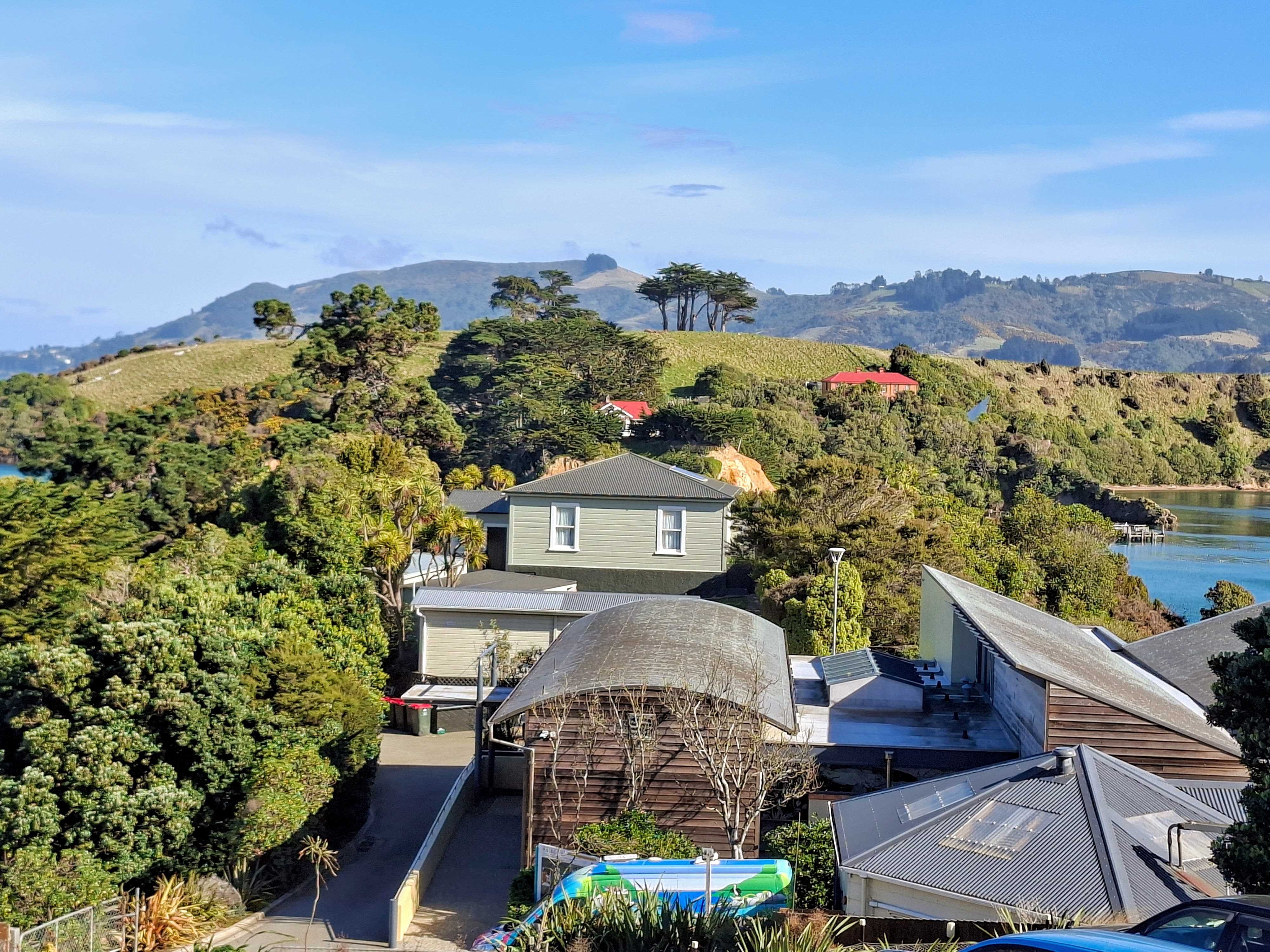
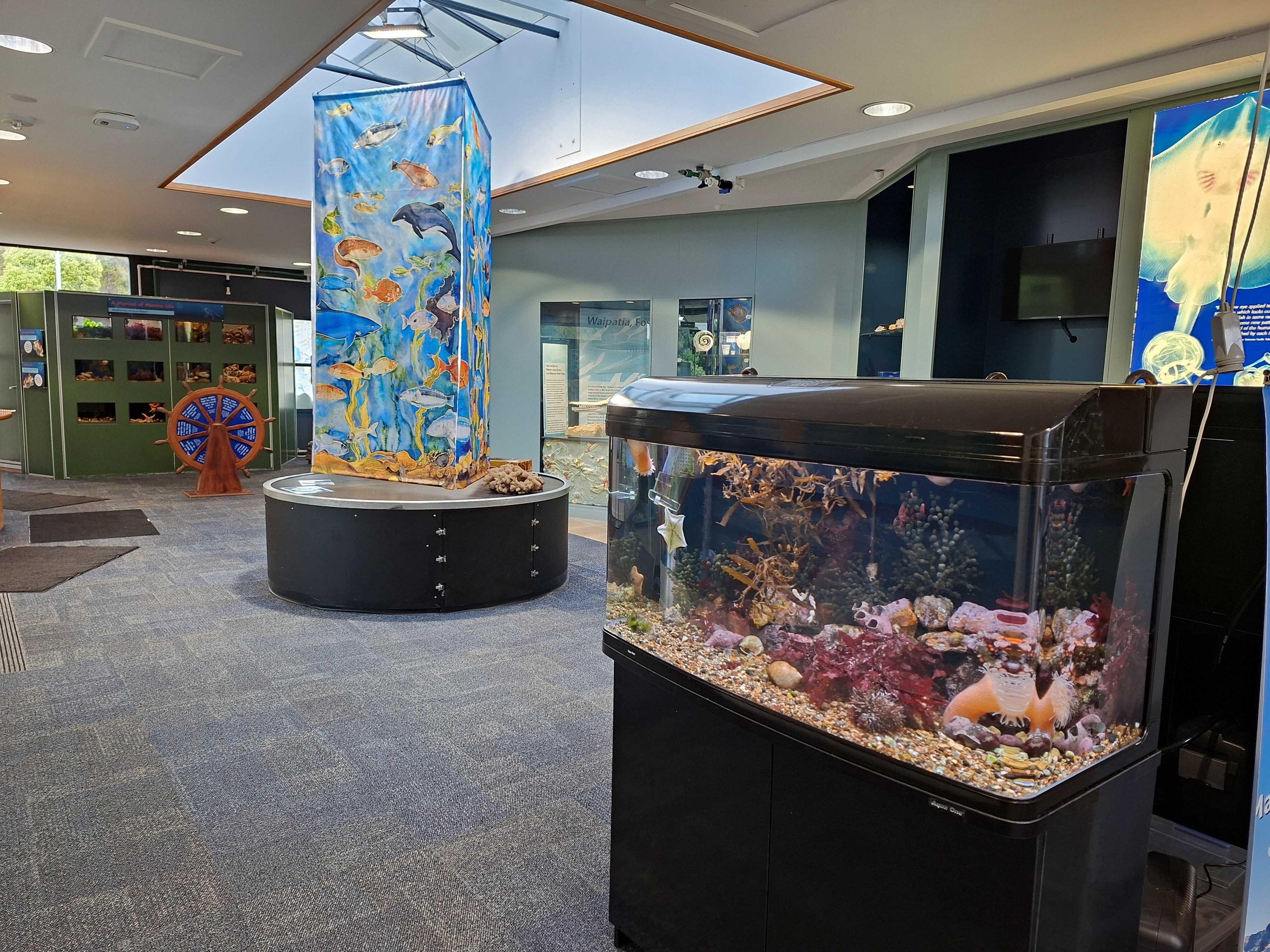
The idea is to go out twice in 7 days (see Program page), complete midwater and plankton tows, and bring the catch to the Portobello Marine Laboratory to sort and process with the experts and trainees. We will be able to sample 3 different water masses over the 2 sampling days, with sampling taking most of each day and sorting going until early morning hours on these days. Expect irregular and long work hours.
While there is no cost to participate in this workshop, participants are responsible for getting themselves to Dunedin, covering the cost of their accommodation, and most meals. We have made a reservation at Dunedin Holiday Park that you can choose to take advantage of for a reduced rate, or you can arrange your own accommodation. We will provide daily shuttles to & from the Dunedin Holiday Park to the marine station at Portobello for all participants. We will provide assorted food for making sandwiches or wraps at the station, which all are welcome to partake in at no cost. Breakfast and other outside meals will be your responsibility.


Karen Osborn, Smithsonian National Museum of Natural History
Miles Lamare, University of Otago, Dept. of Marine Science
Jan Hemmi, University of Western Australia
Samantha Bullock, University of Western Australia
Sponsored by
 |
 |
 |
|||
 |
 |
||||
With expertise from the Smithsonian National Museum of Natural History. |
|||||